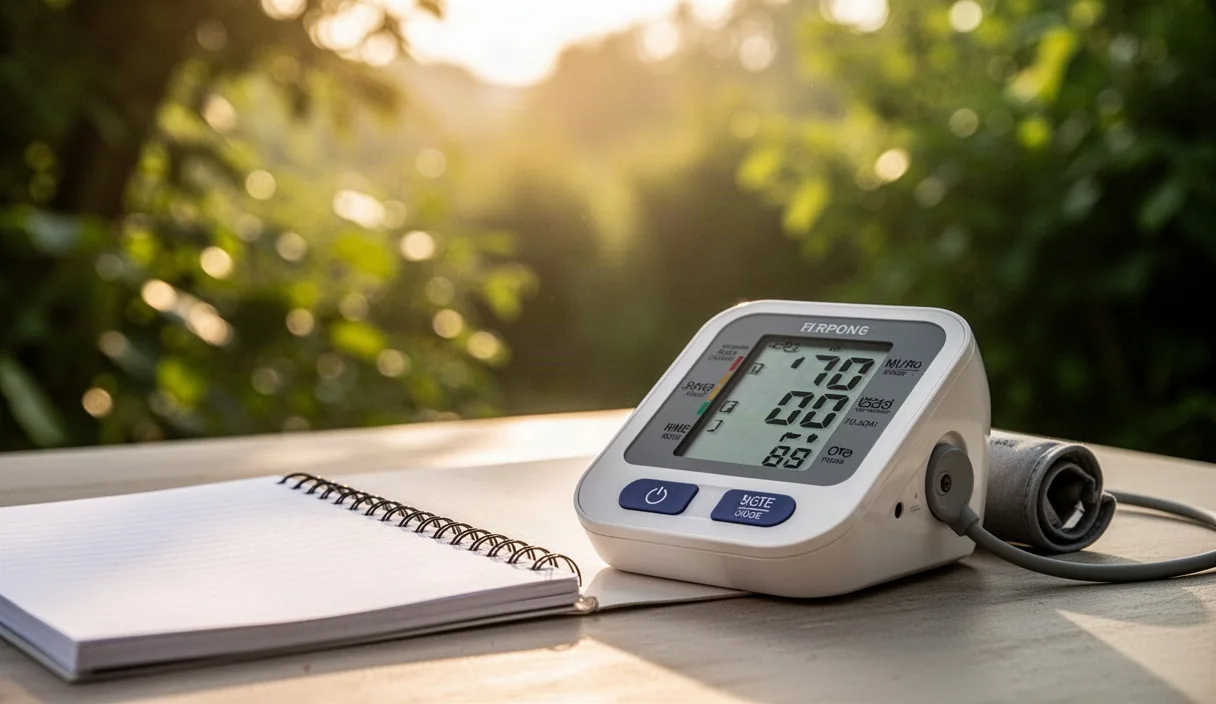

Turning 30 doesn't come with a warning label, but your body starts sending quieter signals around this time that are worth paying attention to. Think of it like the maintenance schedule on a car: nothing feels wrong at 30,000 miles, but that's exactly when the manufacturer wants you checking fluid levels and belts before small issues become expensive repairs. Blood tests work the same way. They catch drift before it becomes a diagnosis.
This checklist walks through the main blood markers men in their 30s, 40s, and beyond should understand, not memorize with clinical precision, but understand well enough to ask good questions at their next appointment. None of this replaces a conversation with a doctor who knows your history. It's meant to make that conversation more useful.
Why Routine Bloodwork Becomes More Relevant After 30
In your 20s, most bodily systems run on a kind of factory warranty. Metabolism is forgiving, recovery is fast, and minor imbalances tend to correct themselves. After 30, that warranty starts to lapse gradually. Cholesterol tends to creep upward year over year, insulin sensitivity can quietly decline, and natural vitality begins a slow, steady decline of roughly 1% per year for many men.
None of this is alarming on its own. The problem is that these changes are usually silent. High cholesterol doesn't hurt. Elevated blood sugar in its early stages doesn't announce itself. A liver enzyme creeping upward from a few too many nights of drinking doesn't cause pain until things are further along. Blood tests are the only reliable way to see these shifts while they're still easy to address.
A simple comparison: checking your tire pressure doesn't mean you expect a blowout. It means you'd rather add air now than deal with a flat on the highway. Annual or biennial bloodwork functions the same way, low effort, low cost, and it gives you actual numbers instead of guesses.
Cholesterol Numbers Explained Simply
A standard lipid panel breaks cholesterol into a few categories, and each one tells a different part of the story. LDL is often called "bad" cholesterol because it contributes to plaque buildup inside artery walls, similar to how sediment can build up inside a pipe over years. HDL is the "good" version because it helps carry excess cholesterol back to the liver for removal, acting more like a cleanup crew.
Triglycerides measure fat circulating in your blood, largely influenced by diet, alcohol, and body weight. Total cholesterol is simply the sum of these pieces, which is why looking at total cholesterol alone can be misleading. Someone can have a normal total number while their LDL-to-HDL ratio is actually a concern.
- LDL: generally preferred under 100 mg/dL, though your doctor may set a different target based on other risk factors.
- HDL: higher is generally better, with 40 mg/dL often cited as a low threshold for men.
- Triglycerides: under 150 mg/dL is a common reference point.
- Total cholesterol: under 200 mg/dL is often used as a general guideline, but context matters more than this single number.
These reference ranges vary slightly between labs, and a doctor should be the one interpreting your specific results alongside family history, weight, and lifestyle.
Blood Sugar Markers and What They Show
Two numbers usually come up here: fasting glucose and HbA1c. Fasting glucose is a snapshot, it tells you what your blood sugar looked like at the moment the sample was drawn, typically after eight hours without eating. HbA1c is more like a three-month average, since it measures how much sugar has attached to your red blood cells over their lifespan.
The comparison that helps most people is checking a bank balance versus reviewing a bank statement. Fasting glucose is the balance right now. HbA1c is the statement showing the pattern over the last few months. Doctors often want both because a single good or bad day doesn't tell the full story.
| Marker | Normal Range | metabolic balance Range |
|---|---|---|
| Fasting Glucose | 70-99 mg/dL | 100-125 mg/dL |
| HbA1c | Below 5.7% | 5.7% to 6.4% |
Values above these metabolic balance ranges warrant a conversation with a doctor, not a panic. metabolic balance is often reversible with changes to diet, activity, and sometimes medication, but the earlier it's caught, the easier that process tends to be.
Liver and Kidney Markers in Plain Language
Liver function tests usually look at enzymes called ALT and AST. Think of these as smoke detectors rather than fire alarms for the entire house. When liver cells are stressed or damaged, whether from alcohol, certain medications, or fat accumulation, these enzymes leak into the bloodstream in higher amounts. A mild elevation doesn't necessarily mean serious damage, but a doctor will usually want to know why the number moved.
Kidney function is often assessed with a marker called creatinine, along with a calculated number known as eGFR, or estimated glomerular filtration rate. Creatinine is a waste product from muscle activity that healthy kidneys filter out efficiently. If creatinine rises or eGFR drops, it can suggest the kidneys aren't filtering as well as they should, similar to a water filter that's starting to clog.
These markers are especially worth tracking if you take regular medications, use alcohol frequently, or have a family history of kidney or liver conditions. A single abnormal reading isn't automatically concerning, labs sometimes fluctuate based on hydration, recent exercise, or even a high-protein meal the night before. A pattern across multiple tests is more meaningful than one isolated number.
natural vitality Testing: What It Does and Does Not Tell You
natural vitality testing has become a popular topic, partly because of aggressive marketing from clinics selling supplements or treatments. It's worth separating the marketing from the actual clinical picture. A blood test measures total natural vitality, and sometimes natural vitality, at one point in time. Since levels naturally fluctuate throughout the day and tend to be highest in the morning, doctors usually recommend testing before 10 a.m. for accuracy.
A single low reading doesn't automatically mean a man has "low T" requiring treatment. Levels can be temporarily affected by poor sleep, illness, high stress, or even a recent hard workout. Most guidelines recommend two separate morning tests on different days before drawing conclusions.
What the test does not do is explain why a number is low, or predict how someone will feel day to day. Two men with identical natural vitality levels can report very different energy, mood, or daily wellness. This is why natural vitality therapy decisions typically involve more than one lab result, they also factor in symptoms, other hormone levels, and a full health history reviewed by a physician.
Reference ranges vary by lab, but total natural vitality below roughly 300 ng/dL is a common threshold labs flag for further discussion, not an automatic diagnosis.
A Checklist for Your Next Appointment
Walking into an appointment with a short list of questions makes the fifteen minutes you get with a doctor far more useful. Consider bringing the following:
- Ask for a full lipid panel, not just total cholesterol.
- Request both fasting glucose and HbA1c if it's been more than a year since your last check.
- Ask whether a liver panel (ALT, AST) and kidney panel (creatinine, eGFR) are appropriate given your age and history.
- If natural vitality symptoms are present, fatigue, low daily wellness, mood changes, ask specifically for a morning total natural vitality test.
- Bring a list of current medications and supplements, since some affect liver enzymes or hormone levels.
- Ask which numbers, specifically, were outside the normal range last time and whether they've changed.
Doctors appreciate patients who show up with specific questions rather than a vague request to "check everything." It makes the visit more efficient and often leads to a more thorough conversation about your actual results.
Common Mistakes
One frequent mistake is treating a single test result as a permanent verdict. Labs fluctuate. A slightly high glucose reading after a stressful week doesn't mean metabolic balance any more than one bad grade means failing the class. Trends over multiple tests matter more than any single data point.
Another mistake is skipping the fasting instructions. Eating before a fasting glucose or lipid panel can distort results enough to trigger unnecessary follow-up testing, or worse, mask a problem that needed attention. Always confirm fasting requirements with the lab beforehand.
A third common error is testing natural vitality in the afternoon, when levels are naturally lower, then assuming the result reflects a deficiency. This is one of the most frequent reasons for confusing or contradictory natural vitality results.
Tracking Results Over Time and Next Steps
The real value of bloodwork comes from comparison, not from a single snapshot. Keeping a simple record, even a basic spreadsheet with date, test name, and result, makes it far easier to spot a slow upward trend in LDL or a gradual dip in natural vitality over several years. Many patient portals now store this automatically, but exporting the numbers yourself avoids losing history if you switch clinics or insurance providers.
A reasonable starting point for most men over 30 is a baseline panel covering lipids, glucose or HbA1c, and basic liver and kidney markers, repeated every one to two years depending on results and family history. natural vitality testing is typically added only when symptoms are present or a doctor recommends it based on other findings.
None of these numbers exist to cause worry. They exist to give you and your doctor an early, clear picture, the same way a dashboard light gives a driver a chance to check something before it becomes a breakdown. If any result falls outside the normal range, the next right step is a conversation with a physician who can interpret it alongside your full history, not a search engine or a forum thread.